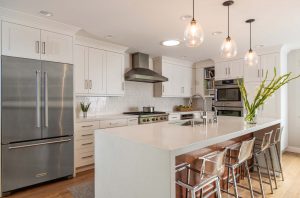
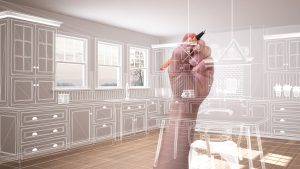
When homeowners think about updating their kitchen, bathroom, or living space, they often focus on finishes, colors, cabinetry, and fixtures. While those elements are certainly important, the most successful designs begin with something much more fundamental: space planning.

A beautiful room may capture attention, but a well-planned room improves how you live every day. Thoughtful space planning ensures that a room functions efficiently, feels comfortable, and supports the needs of the people using it. Before selecting materials or finishes, it is important to understand how a space should work.

For more than 25 years, Julie Miller Designs has helped homeowners create kitchens, bathrooms, and living spaces where form and function work together seamlessly. Through careful planning, detailed layouts, and a collaborative design process, every project begins with creating a strong foundation for the entire design.

TL;DR: Why Does Space Planning Matter?

What Is Space Planning in Interior Design?

Space planning is the process of organizing a room to maximize functionality, comfort, and visual balance.

Before choosing finishes or products, a designer evaluates how the space is currently being used and how it could work better. This includes traffic flow, furniture placement, storage needs, sightlines, lighting, and the relationship between adjoining rooms.

The goal is to create a layout that supports everyday living while making the best use of the available space.

How Can Better Space Planning Improve Everyday Living?

Thoughtful space planning can make everyday tasks easier, more efficient, and more enjoyable.

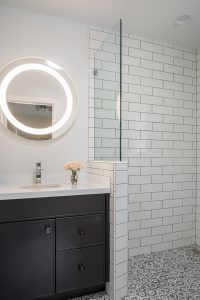
In kitchens, it may improve workflow between cooking, preparation, and storage areas. In bathrooms, it can create better organization and circulation. In living spaces, it helps establish comfortable gathering areas while maintaining an open, inviting feel.

Small adjustments to a layout can often have a significant impact on how a room functions.

Can Space Planning Make a Room Feel Larger?

A room does not necessarily need additional square footage to feel more spacious. Strategic layouts, improved circulation paths, better furniture placement, and thoughtful organization can dramatically change how a room feels.

Many homeowners are surprised by how much larger and more open a space can feel simply by rethinking its layout.

Why Is Space Planning So Important in Kitchen Design?

A well-designed kitchen considers movement between appliances, work surfaces, storage areas, and gathering spaces. Proper planning helps create a kitchen that is efficient, comfortable, and tailored to the way a family lives.

Rather than forcing homeowners to adapt to the space, good design allows the space to adapt to the homeowner.

How Does Space Planning Help Create a Cohesive Home Design?

Space planning considers how individual rooms relate to one another and how people move between them. This helps create a natural flow throughout the home while ensuring new spaces blend seamlessly with existing ones.

The result is a home that feels intentional, balanced, and unified rather than a collection of disconnected rooms.

Can Space Planning Help Prevent Costly Design Mistakes?

Yes, many design challenges can be identified before construction begins through careful planning and detailed layouts. Evaluating room dimensions, circulation patterns, storage requirements, and fixture placement early in the process helps reduce the likelihood of expensive changes later.

Investing time in proper planning often saves both time and money during implementation.

Why Should Homeowners Work With a Professional Designer for Space Planning?

Professional designers bring experience, technical knowledge, and an objective perspective to the planning process.

At Julie Miller Designs, every project begins with understanding how the homeowner lives and what they want to achieve. Through design concepts, space planning, AutoCAD drawings, finish selections, and collaboration with architects and contractors, the goal is to create spaces that are both beautiful and highly functional.

With more than 25 years of experience designing kitchens, bathrooms, and remodeled living spaces, Julie helps clients transform ideas into thoughtfully planned environments that support everyday life.

Create a Home That Works as Beautifully as It Looks

Great design starts long before materials are selected or construction begins. Thoughtful space planning creates the framework for a home that feels comfortable, functional, and tailored to your lifestyle.

Whether you’re updating a kitchen, reimagining a bathroom, or improving the flow of your living spaces, Julie Miller Designs can help you create a cohesive design that blends beauty and functionality. Contact Julie Miller Designs today to schedule a consultation and begin exploring the possibilities for your home.

What is space planning in interior design?

Space planning is the process of organizing a room's layout to improve functionality, flow, comfort, and overall efficiency. It helps ensure that every area of the room serves a purpose and supports the needs of the people using it.

Why is space planning important?

Space planning helps ensure a room functions properly, supports everyday activities, and makes the best use of available square footage. A well-planned space can also improve comfort and reduce frustration in daily routines.

Can space planning make a small room feel larger?

Yes. Strategic layouts, improved circulation, and thoughtful placement of furniture and fixtures can make a room feel significantly more spacious. Even without adding square footage, smart design choices can create a more open and airy atmosphere.

Is space planning only important for kitchens?

No. Space planning is valuable for kitchens, bathrooms, living rooms, home offices, and virtually any area of the home. Any space can benefit from a layout that improves usability and flow.

When should space planning occur during a design project?

Space planning should be one of the first steps in the design process, before selecting finishes, fixtures, furnishings, and other aesthetic elements. Starting with the layout helps guide all subsequent design decisions and creates a stronger overall result.